


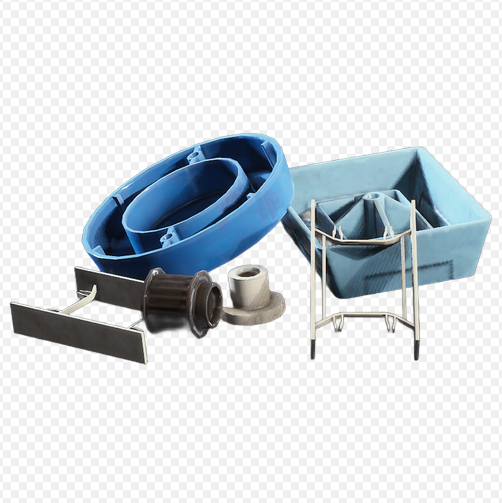
What Are Plastic Parts Used For?
Plastic parts are a basic material classified as "common," but their utility goes far beyond that. In practice, almost every crafting station or upgrade you encounter will use plastic parts in some way. They’re used in:
-
Weapons modifications like grips and extended magazines
-
Utility items such as binoculars, noisemakers, and grenades
-
Medical items like defibrillators and adrenaline shots
-
Workshop upgrades and gear benches
Because they’re so versatile, it’s smart to stockpile plastic parts whenever you can, even if you don’t have an immediate use. Unlike rarer materials, plastic parts are relatively easy to come by and recycle, which makes them the backbone of mid-level crafting.
How Can You Obtain Plastic Parts?
There are three main ways to get plastic parts in Arc Raiders:
-
Scavenging – Look for items in commercial, residential, or technological areas. Commonly, broken or discarded gadgets contain plastic parts. Experienced players tend to prioritize areas with a high concentration of technological loot because the yield is often higher.
-
Recycling – Many crafted items can be recycled into plastic parts. This is a key method once you’ve cleared basic scavenging. It’s also safer than grinding for raw loot in contested areas because you can process items in your own base.
-
Buying from NPCs – Characters like Celeste or Scrappy often sell materials. This is helpful if you are short on time or need plastic parts for an urgent crafting recipe. It’s also worth noting that if you’re looking for more advanced options, you can sometimes buy blueprints and then recycle crafted items. For example, players often choose to buy arc raiders blueprints online to get access to higher-tier items and then recycle them for extra plastic parts.
Which Items Recycle into Plastic Parts?
Knowing what items give plastic parts when recycled is critical for efficiency. Based on common player experience, here’s a breakdown of notable items and how many plastic parts they yield:
-
Weapon attachments: Angled Grip I, Vertical Grip I, and extended magazines generally return 3–6 plastic parts each.
-
Utility items: Binoculars and noisemakers yield 2–4 plastic parts.
-
Medical items: Adrenaline shots and defibrillators can yield 1–2 plastic parts.
-
Tech items: Items like camera lenses, speakers, and processors can return between 2 and 10 plastic parts.
-
Consumables: Grenades such as Li’l Smoke or Light Impact give 1 plastic part each.
-
Ruined items: Ruined riot shields or damaged ARCs can be salvaged for a high yield, sometimes returning all of the original plastic parts used in crafting.
From experience, players often recycle older or surplus items rather than raw scavenging for plastic parts once they reach mid-game, as this is faster and more reliable.
How Does Recycling Work in Practice?
In practical terms, recycling is simple but has nuances:
-
Select the item to recycle – You can recycle from your inventory or directly from your crafting stations.
-
Check the output – Each item lists the “recycled quantity” of plastic parts you’ll receive. Some items also show “salvaged quantity,” which is the minimum you’ll always get.
-
Process efficiently – Stack small items together or recycle in bulk. Items like ARC synthetic resin or fried motherboards can yield over 10 plastic parts each, making them a priority.
A common mistake new players make is recycling only one type of item repeatedly. It’s usually better to mix high-yield items with lower-yield items to maintain a steady supply without running out of other crafting materials like chemicals or rubber parts.
Tips for Maximizing Plastic Part Gains
From my experience, the most effective strategies include:
-
Target technology-heavy zones: These areas often have the highest concentration of recyclable items.
-
Recycle duplicates first: You’ll often craft multiple copies of utility items or weapon mods. Recycling extras ensures nothing goes to waste.
-
Combine scavenging with recycling: Instead of spending all your time looting, recycle your existing stockpile to keep up with crafting demand.
-
Use Workshop Upgrades strategically: Upgrading your gear bench or utility bench often requires plastic parts but increases your crafting efficiency. For example, upgrading a Gear Bench from level 0 to 1 might require 25 plastic parts, but it allows you to craft higher-tier items faster.
By following these practices, you can maintain a near-constant supply of plastic parts without constantly hunting for raw materials.
What to Prioritize Using Plastic Parts On?
Given how versatile plastic parts are, it’s important to prioritize their use. Here’s what most experienced players focus on:
-
Weapon mods – Grips and extended mags improve your combat efficiency quickly.
-
Medical gear – Adrenaline shots and defibrillators can make the difference in tough rounds.
-
Utility items – Grenades, binoculars, and noisemakers give strategic advantages.
-
Workshop upgrades – Don’t neglect these, as upgrading stations indirectly increases your overall efficiency in gathering and crafting more items.
Plastic parts may seem basic at first, but they are essential for crafting almost everything in Arc Raiders. By understanding what items recycle into plastic parts, combining scavenging with recycling, and using them strategically for crafting and upgrades, you can maintain a steady supply and avoid bottlenecks in your mid-game and late-game progression.
In short, if you want to keep your crafting running smoothly, treat plastic parts as a high-priority resource. Recycle smart, prioritize your upgrades, and you’ll rarely find yourself short of this crucial material. Whether you’re upgrading your gear bench, crafting a new weapon attachment, or preparing for a tough mission, knowing what recycles into plastic parts gives you a tangible advantage in the field.
Farming Tip: Arc Raiders Seeker Grenade Blueprint Guide

 English
 Arabic
 French
 Spanish
 Portuguese
 Deutsch
 Turkish
 Dutch
Dutch
 Italiano
 Romaian
 Portuguese (Brazil)
 Greek
Greek