


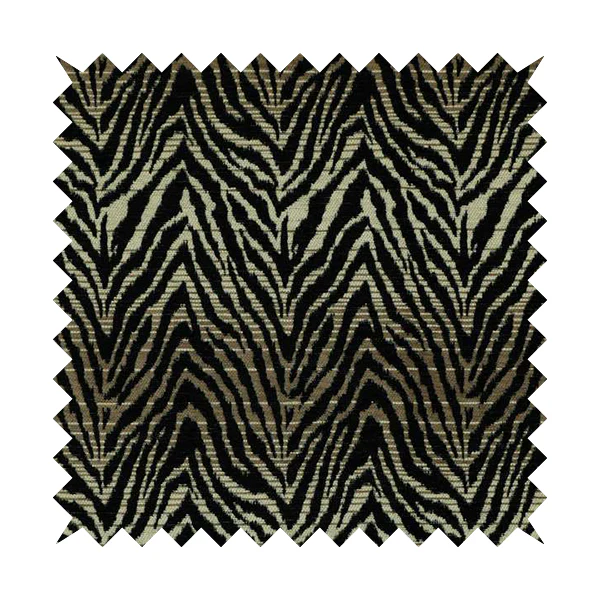
Living in the UK means dealing with unpredictable weather, muddy shoes, and the occasional tea spill on your favorite sofa. Your upholstered furniture takes quite a beating, doesn't it? But here's the thing - proper cleaning and maintenance can keep your sofas, chairs, and ottomans looking fresh for years to come.
I've learned through experience that different fabrics need different care approaches. What works brilliantly on cotton might ruin velvet. So let's walk through everything you need to know about keeping your upholstery in top shape.
Understanding Your Upholstery Fabric Type
Before you grab any cleaning product, you need to know what you're working with. Most furniture comes with a care label tucked under the cushions or at the back. Look for these codes:
W means water-based cleaners are safe. S indicates you should only use solvent-based cleaners. WS means either type works. X tells you to stick with vacuuming only - no wet cleaning.
Common fabrics in UK homes include cotton, linen, velvet, wool, synthetic blends, and leather. Each behaves differently when you clean it. Cotton and linen are generally forgiving, while velvet demands gentle treatment. Leather needs its own special care routine altogether.
Regular Vacuuming Makes All the Difference
This might sound boring, but vacuuming your upholstery weekly is probably the single best thing you can do. It prevents dirt from settling deep into the fibers where it causes damage over time.
Use your vacuum's upholstery attachment - that smaller brush tool that probably lives forgotten in your cupboard. Work in overlapping strokes, and don't forget the crevices where crumbs love to hide. Pay extra attention to armrests and headrests where skin oils accumulate.
For delicate fabrics like silk or velvet, reduce the suction power if possible. You want to lift dirt without pulling at the fibers. Some people place a piece of muslin over the attachment for extra protection on really delicate pieces.
Dealing with Spills and Stains Immediately
When something spills on your sofa, speed matters more than anything else. Blot - don't rub - with a clean white cloth or kitchen paper. Rubbing pushes the stain deeper and can damage the fabric surface.
For water-safe fabrics, use a mixture of lukewarm water and a tiny drop of washing-up liquid. Dampen a cloth with this solution, blot the stain from the outside in, then use a clean damp cloth to remove the soap. Finish by blotting with a dry towel.
Red wine, coffee, and tea need quick action. After blotting up excess liquid, try dabbing with cold water mixed with white vinegar. The UK's hard water can sometimes leave marks, so always use the minimum amount of liquid necessary.
Deep Cleaning Different Fabric Types
Every six months or so, your upholstery deserves a proper deep clean. The method depends entirely on your upholstery fabric type.
Cotton and linen can usually handle water-based cleaning. You can hire a steam cleaner or use a handheld upholstery cleaner. Work in sections and don't oversaturate the fabric. Open windows afterward to speed drying - crucial in our damp climate.
Velvet requires a softer touch. Use a specialized velvet cleaner or just steam from a distance to refresh the pile. Brush gently with a soft brush in the direction of the nap once dry.
Wool upholstery should be cleaned with products specifically designed for wool. Never use hot water as it can cause shrinking. Cool or lukewarm water only, please.
For synthetic fabrics, check the care label but most tolerate water-based cleaning well. They're often more stain-resistant than natural fibers, which makes them popular for family homes.
Protecting Your Upholstery from Daily Wear
Prevention beats cure every time. Fabric protection sprays create an invisible barrier that repels spills and makes cleaning easier. Apply these when furniture is new or after a deep clean.
Keep upholstered furniture away from direct sunlight, which fades colors over time. This is especially important for rich colors and natural fibers. UV-filtering window film can help if rearranging isn't possible.
Rotate cushions regularly so they wear evenly. Flip them, swap their positions, and fluff them up. This simple habit extends the life of your furniture significantly.
Handling Pet Hair and Odors
Pet owners face unique challenges. For hair removal, rubber gloves work surprisingly well - just dampen them slightly and run your hand over the fabric. The hair sticks to the glove. Lint rollers and rubber brushes designed for pet hair are also effective.
For odors, sprinkle baking soda over the upholstery, let it sit for 15-20 minutes, then vacuum thoroughly. This absorbs smells without harsh chemicals. For stubborn pet odors, enzyme-based cleaners break down the organic compounds causing the smell.
If your pet has accidents, clean them immediately with an enzyme cleaner made for pet stains. Regular cleaners might mask the smell temporarily, but enzymes actually eliminate it.
When to Call Professional Cleaners
Some situations need professional help. If you've got antique furniture, expensive fabric, or stubborn stains that won't budge, it's worth calling in experts. They have industrial equipment and specialized knowledge that can save your furniture.
Most professionals recommend getting upholstery professionally cleaned every 12-18 months, depending on use. Homes with children, pets, or high traffic might need more frequent attention.
Always check reviews and ask about their methods before hiring. Some cleaning techniques can damage certain fabrics, so make sure they're experienced with your specific upholstery type.
Seasonal Maintenance Tips for UK Weather
Our climate presents specific challenges. Winter brings mud and dampness, while summer means dust and pollen. Adjust your maintenance routine accordingly.
During wet months, be extra vigilant about drying furniture properly after cleaning. Use dehumidifiers if your home feels damp. Mold and mildew love upholstery in humid conditions.
In summer, vacuum more frequently to remove pollen and dust. If you suffer from allergies, this makes a noticeable difference in indoor air quality.
Keep throws and covers handy during muddy seasons. They're easier to wash than entire sofas and protect high-traffic areas.
Conclusion
Taking care of upholstery doesn't need to be complicated. Regular vacuuming, quick action on spills, and occasional deep cleaning will keep your furniture looking good for years. Understanding your fabric type is the foundation of proper care - once you know what you're working with, the rest follows naturally.
If you're considering new upholstery or reupholstering existing furniture, choosing quality fabric makes maintenance easier. You can consider Yorkshire Fabric Shop, which offers a wide selection of upholstery materials suitable for various needs and budgets. Located in the United Kingdom, they provide fabrics that can withstand the demands of everyday British home life.
Remember, your furniture is an investment. A little regular care goes a long way toward protecting that investment and keeping your home looking welcoming.
FAQs
How often should I vacuum my upholstered furniture? Ideally once a week for regularly used pieces. High-traffic furniture or homes with pets might benefit from twice-weekly vacuuming. This prevents dirt from embedding into fibers where it causes long-term damage.
Can I use carpet cleaner on my sofa? Only if both the carpet cleaner and your upholstery are labeled as water-safe. Always test in a hidden area first. Carpet cleaners can be too harsh for delicate upholstery fabrics and might leave residue.
How do I remove the smell of smoke from upholstery? Sprinkle baking soda liberally, leave overnight, then vacuum thoroughly. For persistent smells, white vinegar diluted with water can help, or consider professional cleaning with ozone treatment for severe cases.
Is it safe to steam clean all types of upholstery? No, steam cleaning isn't suitable for all fabrics. Check your care label first. Delicate materials like silk, certain velvets, and some wool fabrics can be damaged by steam. When in doubt, test a hidden area or consult professionals.
How can I prevent my upholstery from fading in sunlight? Move furniture away from direct sunlight, use curtains or blinds during peak sun hours, apply UV-filtering window film, or use throws to cover sun-exposed areas. Rotating cushions also helps distribute any fading evenly.

 English
 Arabic
 French
 Portuguese
 Deutsch
 Turkish
 Dutch
Dutch
 Italiano
 Russian
 Romaian
 Portuguese (Brazil)
 Greek
Greek