


The returnable container movement is growing fast. Many people want better packaging choices. Many brands want systems that reduce waste. This shift is helping the rise of simple and strong glass jars. These jars are becoming a key part of the new circular economy.
The Rise of Circular Packaging in Modern Supply Chains
The idea of a circular supply chain is not new. Yet the world is seeing fresh interest in reusable containers. People want clear ways to reduce waste. Businesses want packaging systems that cost less over time. So many companies are turning to packaging that can stay in circulation. This shift is not only logical but also practical.
Modern supply chains face high pressure. Many rules now demand less single-use packaging. Customers also demand better options. In many stores, the change is visible. More refill stations appear. Some supermarkets are adding return bins. Many cafes and markets now support deposit systems. As a result, packaging that once had a short life is gaining a long one.
A circular model offers many clear benefits. Waste drops quickly. Transport becomes easier. Cost per use becomes low. Brands keep a stronger link with customers. In addition, simple containers like glass jars do not lose value after one use. They stay strong after cleaning. They also move easily between retailers, homes, and cleaning hubs.
Many companies are also learning that a circular model builds trust. When customers return a jar, they feel part of a shared solution. They see the change with their own hands. This builds a strong emotional link. It motivates them to keep using the system. It spreads the idea of reuse across families and communities.
Supply chains are also finding that reuse can unlock new tracking systems. Sensors, barcodes, and digital tools can follow a jar from filling to return. This adds transparency. It also reduces loss. When brands know where containers travel, they can plan better routes. They also cut shipping waste. So the rise of circular packaging is not a trend. It is a long-term shift toward smarter systems. This shift is building the base for the returnable container revolution.
Why Glass Jars Are Becoming a Preferred Returnable Option
Glass jars are becoming a top choice for reuse programs. This trend is rising for many reasons. Glass is simple. It has no complex layers. It is easy to wash. It is safe with many foods and liquids. It keeps flavors pure. These strengths make it perfect for returnable programs. Many brands now prefer it because it offers clarity, strength, and long life.
Glass also supports a strong circular system. A jar can stay in circulation many times. It does not degrade with each wash. It can hold hot and cold items. It works well in homes, shops, and refill stations. This is very helpful because returnable systems rely on durability. If a container breaks often, the system loses money. Glass, by contrast, stays solid across many cycles.
Another benefit is customer trust. People trust glass more than plastic. They feel it is cleaner and more natural. They also like seeing the product inside. As a result, returnable glass jars are easier to promote. Customers are more willing to pay a small deposit. They believe the container is worth returning. This helps brands run stable systems.
Glass jars are also great for branding. Many companies add markings or designs that last for years. This helps customers remember the brand each time they reuse the jar. It also builds a sense of value. A good jar feels like a product itself, not just packaging. People often keep them for storage or cooking. This adds more positive energy to the brand.
In addition, glass jars support many types of goods. They work for sauces, grains, drinks, oils, creams, and more. One container type can serve many supply chains. This makes the entire network easier to run. The more uniform the container, the easier the cleaning and sorting process. So glass is rising in popularity because it fits the needs of modern circular models. It is flexible, clean, reliable, and trusted.
The Social Shift Toward Refill and Return Culture
A major change is happening in how people think about packaging. Many people now want simple and low-waste lives. They want to buy products that match their values. This desire is pushing the growth of refill and return culture. It is not only a trend among young people. Families and older shoppers also join these systems. They see clear benefits and enjoy the sense of responsibility.
Homes today are full of containers. Many of them are single-use. People throw them away each week. This habit creates a sense of waste. When shoppers see bins full of plastic, they feel uneasy. So they look for better options. Refill stations provide such options. They offer a direct way to cut waste. This action is simple and feels good. Returning jars gives people a sense of purpose. It becomes a small but meaningful routine.
Communities also support this shift. Many local markets promote reuse. Some cities run deposit programs. These programs show people how easy it is to take part. When a community joins together, the impact becomes clear. Waste drops fast. Local programs gain more support. People start sharing jars with friends. Small changes lead to bigger ones.
Social media also plays a role. Many people share stories about low-waste life. They post images of jars, refill stations, and home storage. This creates positive pressure. Others want to join the movement. As more people join, the culture becomes normal. What once seemed unusual becomes routine.
Schools and groups teach children about reuse. They explain how waste affects nature. Kids learn to return jars, bottles, and containers. They often teach their parents about these habits. This builds a cycle of awareness. As years pass, more people grow up seeing reuse as a basic part of life.
This social shift helps companies as well. When customers want returnable containers, brands respond. Retailers add collection points. Cafes offer jar swaps. The culture spreads across daily life. So the returnable revolution is not only a supply chain story. It is a social story about habits, values, and shared action.
The Role of Simple Design in Enabling Efficient Reuse
The success of a returnable system depends on design. A container must be strong, simple, and easy to wash. A complex design creates problems. It takes longer to clean. It breaks more often. It costs more. A simple shape, by contrast, helps everything flow.
Many reuse programs choose standard shapes. This is helpful because standard shapes fit well on conveyor belts, wash lines, and shelves. They also pack well in delivery crates. A smooth surface reduces stains and makes cleaning easier. A clear body improves inspection. Workers can see the jar's condition in seconds.
The lid also matters. A strong lid keeps goods fresh. It must be easy to remove but also secure. In a circular system, a lid may be replaced often. So it must be affordable and safe. Some systems use metal lids. Others use strong plastic lids that last for many cycles. The choice depends on the product and environment.
Simple design also helps customers. People like containers that open easily. They store them in cupboards. They stack them in fridges. A simple jar fits many spaces. It also works well in refill stations. Staff can fill them fast. Customers can measure their products easily. This supports a smooth shopping experience.
Another advantage of simple design is clear branding. Companies can place logos, colors, and messages without clutter. A clean design looks modern and fresh. It also builds trust. Customers feel that the brand respects their time and values.
Simple design also reduces the chance of breakage. Smooth surfaces and stable shapes handle daily use well. They survive dishwashing and transport shocks. This lowers replacement costs. A long-lasting jar helps the entire system stay profitable. So design becomes a major part of the returnable revolution. It connects function, branding, customer use, and system efficiency. When the design is simple, everything else becomes easier.
How Return Programs Improve Customer Loyalty and Brand Trust
Return programs do more than reduce waste. They build strong ties between customers and brands. When a customer joins a return system, they take part in a shared mission. This creates trust. It also builds a habit. People return because it feels right and brings small rewards. Over time, this forms loyalty.
Many return programs use simple incentives. A small deposit encourages customers to bring back containers. Some brands offer discounts. Others give points or small gifts. These rewards make the system fun. They also help customers feel supported. When people receive value in return, they join the program again.
Return programs also create repeat visits. Customers need to visit the store to return jars. This increases foot traffic. It also increases the chance of buying more items. For brands, this is a key benefit. It reduces marketing costs. The program itself becomes a form of promotion.
Trust grows when customers see transparency. They like knowing what happens to their returned containers. Many brands explain their cleaning process. Some share photos or videos. This builds confidence. Customers feel safe using returned containers. They trust the brand more.
Word-of-mouth grows as well. When people like a return program, they talk about it. They share their experience with friends. This spreads awareness. It also brings new users. Trust built through real experience is stronger than any ad.
Return programs also show that a brand cares about nature. Customers value this. They want companies to take responsibility. When a brand invests in reuse, it shows long-term thinking. This builds a positive image. It also connects emotionally with customers.
As trust grows, loyalty grows. Customers stay with brands that match their values. They prefer stores with return systems. They also recommend these brands. Over time, the return program becomes a core part of the brand’s identity. It is not just a system. It is a relationship that builds community and commitment.
The Practical Benefits of Returnable Packaging for Small Businesses
Small businesses face many pressures. They must reduce costs. They must build loyal customers. They must stand out from big brands. Returnable packaging offers a strong way to meet these challenges. It creates repeat visits. It also reduces waste. Many small businesses now adopt reuse systems because they want smart solutions.
Small shops gain by offering a unique service. They can invite customers to bring back jars. They can fill them with fresh goods. This creates a friendly routine. Customers enjoy seeing the same staff. They appreciate the personal touch. This builds a bond that large chains struggle to create.
Small businesses also save money over time. They buy fewer single-use containers. They reuse jars many times. This reduces supply costs. It also reduces storage space. A steady cycle of returns keeps the system stable. The business can focus money on better ingredients or better service.
The system also helps the environment around the business. Local customers feel proud. They see less waste in their homes. They support the shop with more energy. This builds a positive community. It also attracts new customers who want low-waste options.
Some small shops work together. They share washing services. They share return bins. This builds local networks. It also reduces costs. A group of shops can run a strong system without huge investment. This model is spreading in many towns. It shows how simple cooperation can support better packaging habits.
Returnable packaging also helps with branding. A small business can choose jars that look clean and modern. They can add color bands or simple markings. These details help the business stand out. Over time, the jar becomes part of the brand story. People associate the jar shape with quality and care.
So the practical benefits are clear. Small businesses gain loyal customers, reduce waste, and save money. They also build strong community ties. Returnable packaging becomes a tool for growth and long-term stability.
Why Clean-Loop Systems Need Scale and Consistency
Clean-loop systems rely on scale. When more people join, the system becomes smoother. When more businesses join, cleaning services become cheaper. Scale helps reduce costs at each step of the process. It also supports better planning. A larger network can maintain strong flows of containers.
Consistency is also key. A clean-loop system needs reliable cleaning methods. It needs stable return points. It needs clear instructions for customers. When jars have standard shapes, cleaning lines run faster. When lids match, sorting becomes simple. These elements support long-term success.
Systems also depend on strong tracking. Many loops use barcodes or digital tags. They scan containers at each stage. This helps prevent loss. It also helps measure performance. Businesses learn how many jars return each week. They can adjust stock levels. They can plan deliveries. This reduces waste in transport.
Another major factor is logistics. Clean-loop systems must move jars from homes back to cleaning hubs. Efficient routes reduce cost and carbon impact. Some cities use small electric vans. Others use bikes. Picking the right method depends on distance and volume. With enough scale, the system becomes smooth.
Local laws also play a role. Some regions support reuse with grants or tax benefits. Others set rules for cleaning standards. Clear rules help the system grow. They give businesses confidence. They also protect customers.
Consistency builds trust. When people know the jars are cleaned well each time, they return them with confidence. They also accept them again at home. This supports the loop. Without trust, the system breaks.
Scale and consistency allow the loop to survive long term. They reduce cost. They support safety. They increase reliability. These elements form the backbone of a strong returnable container network.
How Branded Containers Strengthen the Reuse Movement
Branded containers are helping the reuse movement grow. When a jar carries a clear design, it feels valuable. It feels like part of a product, not just packaging. This increases the chance of return. It also helps customers remember the brand. Many companies now add simple and strong artwork to their jars. These designs stay on the jars for years. People see them daily at home.
Branded designs also help with identity. Stores use colors and patterns that match their values. This builds emotional links. Customers feel proud to return jars that look good. They enjoy keeping the jar at home for a short time. Yet the goal is to bring it back. A good design helps this journey by reminding the customer of the brand each time they see it.
Branded containers also support education. Companies place small messages or symbols on the jar. These messages explain how to return the jar. They also show the brand's commitment to reuse. This builds trust. It also reduces confusion. Customers learn the process quickly.
In two areas, branding offers special value:
- Clear symbols help sorting. Staff can identify containers fast. This reduces errors in cleaning. It also speeds up the sorting line.
- Strong printing supports long life. Letters and designs remain visible through many wash cycles. The jar keeps its identity across years of use.
A branded jar also stands out in photos and videos. People share images online. This spreads awareness. It also acts as free marketing. The reuse movement grows as more people see these jars.
Some brands partner with artists. They create limited designs. These designs attract collectors. They also encourage returns to keep the series alive. This adds fun to the reuse system. It turns jars into small works of art.
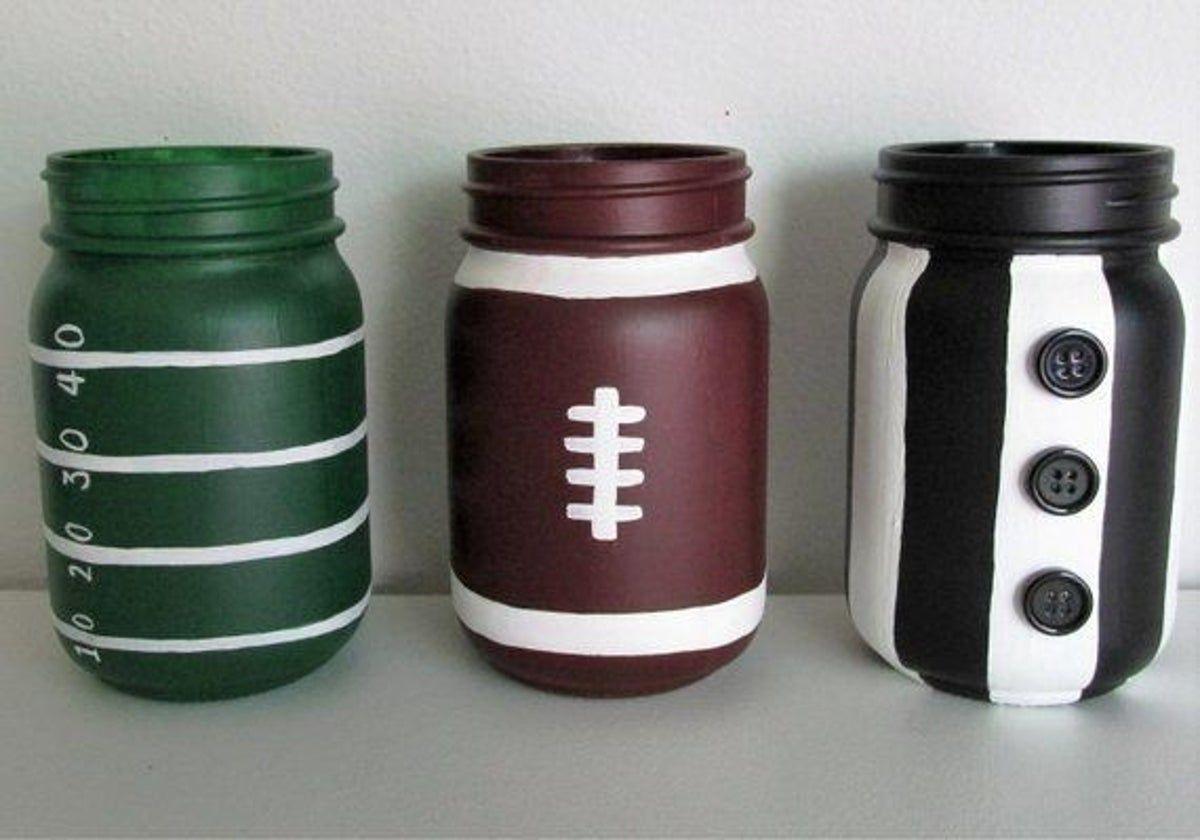
So branded containers are more than decoration. They help build trust, identity, recognition, and consistency. One strong example of this is the growing use of printed mason jars in return systems. This type of container shows how a simple design choice can support a large cultural and environmental shift.
Final Thoughts
The returnable container revolution is growing stronger each year. People want choices that match their values, and companies want systems that reduce long-term costs. Simple glass jars have become a powerful tool in this change. They support reuse, build trust, and connect brands with customers in meaningful ways. As more communities join the movement, return systems gain stability and scale. This creates a cycle that benefits everyone.
The future of packaging will rely on solutions that balance function, design, and environmental care. Strong containers, clear branding, and smooth return programs will guide this next phase. When businesses and customers work together, reuse becomes natural. It becomes a part of daily life. With steady progress, the returnable container model will continue to grow and shape a cleaner, smarter, and more responsible world for all.
Place Your Order Now: https://ibexpackaging.com/mason-jars/

 English
 Arabic
 French
 Spanish
 Portuguese
 Deutsch
 Turkish
 Italiano
 Russian
 Romaian
 Portuguese (Brazil)
 Greek
Greek