


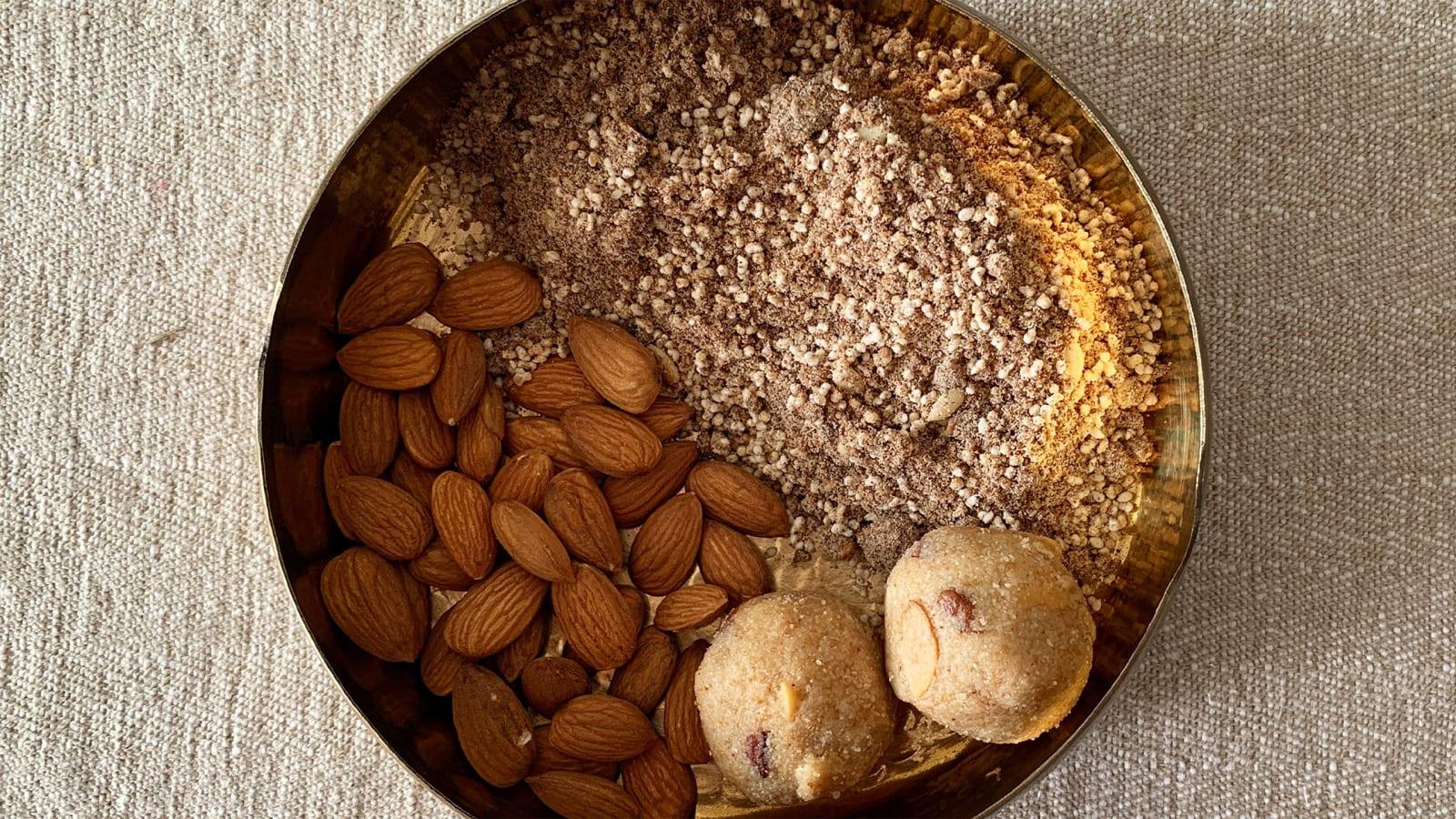
Traditional foods often come with long histories of wellness, and among them is a comforting North Indian and Pakistani delicacy known for its warmth and nutrition panjeeri. While it is usually associated with postpartum care and winter nourishment, many people today wonder whether this rich blend of roasted ingredients can fit into a diabetic-friendly lifestyle. With mindful preparation and careful ingredient choices, this age-old recipe can be enjoyed even by those managing blood sugar levels.
What Makes Panjeeri Unique?
Panjeeri is typically prepared using whole wheat flour, ghee, nuts, seeds, and natural sweeteners. Its warming nature and nutrient density make it a staple in many households. The ingredients are roasted to bring out earthy flavors and provide a comforting, energizing blend.
For diabetic individuals, the traditional recipe might seem too indulgent due to ghee, flour, and sugar. However, with smart modifications, it can still be nourishing without causing blood sugar spikes.
Key Nutritive Elements
-
Healthy fats: Nuts and seeds in panjeeri, such as almonds, walnuts, flaxseeds, and pumpkin seeds, provide heart-friendly fats beneficial for diabetic patients.
-
Fiber: Whole grains, seeds, and nuts add fiber, which helps slow down glucose absorption.
-
Micronutrients: Ingredients are rich in iron, magnesium, zinc, and B vitamins, supporting overall health.
Can Diabetic Patients Enjoy Panjeeri?
The short answer is yes with modifications. Traditional recipes often contain refined sugar and larger quantities of wheat flour, making them unsuitable for diabetics. But adjusting the ingredients turns this classic nourishment into a balanced, diabetic-friendly snack.
Health Benefits for Diabetics
Stable Energy Release
The fiber and fat content in modified panjeeri help prevent sudden glucose spikes by allowing a slow release of energy throughout the day. This makes it a good snack option between meals.
Improved Digestion
Ingredients like flaxseed, chia seeds, and whole wheat or multigrain flour support digestive health, which is especially important for individuals with diabetes.
Rich in Antioxidants
Nuts and seeds contain antioxidants that help fight inflammation a common issue among diabetic patients.
Supports Healthy Weight
A small serving of nutrient-dense panjeeri can help reduce cravings and support weight management, a key aspect of diabetes control.
How to Create a Diabetic-Friendly Version
Smart Ingredient Swaps
-
Replace refined sugar with stevia, monk fruit, or small amounts of jaggery (if tolerated).
-
Use multigrain or millet flour instead of only wheat flour to increase fiber.
-
Use minimal ghee just enough to bind and roast ingredients.
-
Add more nuts and seeds for healthy fats and protein.
Best Ingredients to Include
Nuts
Almonds, walnuts, and pistachios provide essential fatty acids and help regulate glucose.
Seeds
Flaxseeds, pumpkin seeds, sesame seeds, and sunflower seeds add fiber and omega-3 fatty acids.
Flour Options
Ragi flour, barley flour, or a multigrain mix can replace or reduce wheat flour to improve the glycemic index.
Natural Flavor Enhancers
Cardamom, cinnamon, and nutmeg not only add fragrance but also help stabilize sugar levels especially cinnamon.
Sample Diabetic-Friendly Panjeeri Recipe
Ingredients
-
½ cup multigrain flour
-
1 tbsp ghee
-
¼ cup chopped almonds
-
¼ cup walnuts
-
2 tbsp flaxseeds
-
2 tbsp pumpkin seeds
-
1 tbsp desiccated coconut (optional)
-
1 tsp cinnamon powder
-
½ tsp cardamom powder
-
Sweetener of choice (stevia or monk fruit)
-
A pinch of nutmeg
Preparation
-
Gently roast nuts and seeds on low heat until fragrant.
-
Add ghee to a pan and roast the flour until golden brown.
-
Mix roasted nuts, seeds, and spices into the flour.
-
Add sweetener once the mixture cools slightly.
-
Store in an airtight container. A tablespoon a day is enough for diabetic individuals.
Tips to Make It Truly Diabetic-Safe
Control Portion Size
Even healthy panjeeri can be calorie-dense. A small quantity—about one to two tablespoons is ideal.
Avoid High-Glycemic Ingredients
Stay away from sugar, excessive ghee, and too much wheat flour.
Pair It Wisely
Consume alongside tea, warm milk, or as a mid-morning snack rather than on an empty stomach. This helps stabilize digestion and glucose response.
Track Blood Sugar
Every diabetic patient responds differently to foods. Monitoring glucose after trying a new recipe can help adjust portion sizes.
Benefits Beyond Blood Sugar Management
While focusing on diabetes, it’s also worth noting the additional wellness benefits this nourishing blend offers.
Supports Immunity
With antioxidant-rich nuts and seeds, modified panjeeri boosts immunity—vital for individuals managing chronic conditions.
Enhances Bone Health
Ingredients like sesame seeds, almonds, and ragi flour provide calcium and magnesium for strong bones.
Boosts Winter Wellness
Traditionally consumed during colder months, it provides warmth and energy, which is particularly helpful for those who may struggle with fatigue.
When Should Diabetics Avoid Panjeeri?
Although the modified recipe is friendly for most individuals, certain cases require caution:
-
Those with high cholesterol should reduce ghee and nuts.
-
Individuals with wheat sensitivity should choose ragi or millet flour.
-
Overweight patients should strictly adhere to small portion sizes.
-
People with very high or uncontrolled sugar levels must consult a doctor before adding calorie-dense foods.
Final Thoughts
A well-prepared bowl of panjeeri can be more than just a winter dessert—it can be a wholesome, nourishing addition to a diabetic diet when crafted thoughtfully. Instead of eliminating traditional foods, modifying them to suit your health needs allows you to enjoy rich cultural flavors without compromising well-being.
With the right ingredients, controlled portions, and attention to your body’s response, you can continue savoring this age-old delicacy while keeping your blood sugar stable. As always, consult a healthcare professional or dietician before making major dietary changes, especially when managing diabetes.

 English
 Arabic
 French
 Portuguese
 Deutsch
 Turkish
 Dutch
Dutch
 Italiano
 Russian
 Romaian
 Portuguese (Brazil)
 Greek
Greek