


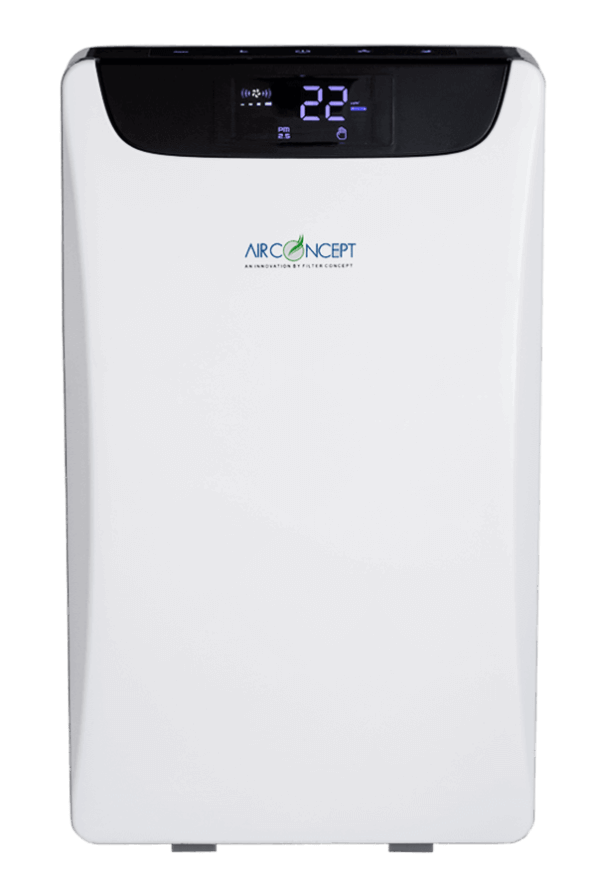
Indoor air quality has become one of the most important health concerns for Indian households. With rising pollution levels, seasonal smog, traffic emissions, dust, and allergens in the environment, the need for better air quality inside homes is now more crucial than ever. This growing awareness has increased the demand for an Air Purifier in India, especially in metro cities and industrial zones where pollution levels often cross safe limits.
In this blog, we will explore the role of air purifiers, why Indian homes need them, and how to choose the right one for your needs.
Why Air Purifiers Are Becoming Essential in India
India is among the countries with the highest pollution exposure. While outdoor pollution is visible and widely discussed, indoor pollution is often ignored—but it can be 2 to 5 times more polluted than outdoor air.
Key Reasons Air Purifiers Are Needed in India:
-
High levels of PM2.5 and PM10 in major cities
-
Dust and pollen, especially during summer and spring
-
Pet hair and dander in homes with pets
-
Cooking smoke and oil fumes in Indian kitchens
-
Harmful gases and odors from cleaning products and paints
-
Seasonal allergies becoming more common
-
Longer indoor time due to remote work and lifestyle changes
All these factors make an Air Purifier in India a valuable investment for families seeking a healthier living environment.
How an Air Purifier Works
While designs differ across brands, the core function remains the same: draw polluted air, filter it, and release clean air back into the room.
Most devices use multiple layers of filtration such as:
✔ Pre-Filter
Captures large particles like dust, hair, and lint.
✔ HEPA Filter
The heart of an air purifier. A True HEPA filter removes up to 99.97% of particles as small as 0.3 microns, such as fine dust, pollen, mold spores, and PM2.5.
✔ Activated Carbon Filter
Absorbs harmful gases, VOCs, smoke, and odors—perfect for Indian kitchens and traffic pollution.
✔ UV or Ionizer (Optional)
Some models include UV light to kill germs or an ionizer to bind airborne particles. Many users prefer purifiers without ionizers due to ozone concerns.
Together, these layers work to significantly improve indoor air quality.
Top Benefits of Using an Air Purifier in India
1. Cleaner Air and Reduced Allergies
People suffering from asthma, sinusitis, or dust allergies experience noticeable relief.
2. Protection from Outdoor Pollution
During peak pollution months, air purifiers help maintain safe AQI levels indoors.
3. Healthier Sleep Quality
Cleaner air improves breathing patterns, allowing for deeper, uninterrupted sleep.
4. Reduced Risk of Respiratory Issues
By filtering pollutants, purifiers help lower the chances of long-term respiratory problems.
5. Fresh and Odor-Free Home
Activated carbon filters keep indoor spaces smelling fresh—even near traffic-heavy or industrial areas.
Choosing the Best Air Purifier in India: What to Look For
Finding the right air purifier involves evaluating your indoor environment, room size, and budget. Here are the most important factors:
1. CADR (Clean Air Delivery Rate)
Higher CADR means faster and more efficient purification.
2. Room Size Compatibility
Always match the purifier’s capacity with your room size for optimum performance.
3. Filtration Technology
Look for:
-
True HEPA filter
-
Activated carbon filter
-
Multi-layer filtration
Avoid purifiers that only use basic filters.
4. Noise Levels
Quiet purifiers are ideal for bedrooms and offices.
5. Filter Replacement Cost
Filters should be:
-
Affordable
-
Easily available
-
Long-lasting
6. Energy Efficiency
An energy-efficient purifier saves money when used for extended hours daily.
7. Smart Features
Options like app control, auto mode, air quality indicator, and scheduling make usage more convenient.
Best Places to Use an Air Purifier in India
-
Bedrooms – For improving sleep and reducing allergy symptoms
-
Living Rooms – The area most exposed to dust and foot traffic
-
Offices – Useful for improving focus and reducing fatigue
-
Kitchens – Helps reduce smoke, odors, and fine particles
-
Kids’ Rooms – Sensitive immunity requires cleaner air
Common Myths About Air Purifiers in India
Myth 1: Air purifiers remove 100% of pollutants
No purifier can eliminate every pollutant, but a good HEPA model significantly reduces harmful particles.
Myth 2: You don’t need a purifier if you keep windows closed
Indoor pollution increases due to cooking smoke, dust, pet dander, and chemicals—even without outdoor air entering.
Myth 3: All HEPA filters are the same
Only True HEPA filters provide high-level purification. Cheaper variants are less effective.
Maintenance Tips to Keep Your Air Purifier Performing Well
-
Clean the pre-filter every 2–3 weeks
-
Replace HEPA and carbon filters as recommended
-
Ensure airflow is not blocked
-
Use the purifier consistently, especially during high pollution months
-
Keep the device in a central location for maximum coverage
Regular maintenance ensures your Air Purifier in India works efficiently and provides long-term value.
Conclusion
As pollution continues to rise, investing in an Air Purifier in India is becoming a necessity rather than a luxury. Whether you live in a metro city, a suburban area, or even a rural town, improving indoor air quality is essential for long-term health.
A good air purifier can protect your family from pollution, allergies, and harmful airborne particles—creating a cleaner, fresher, and healthier living space.

 English
 Arabic
 French
 Portuguese
 Deutsch
 Turkish
 Dutch
Dutch
 Italiano
 Russian
 Romaian
 Portuguese (Brazil)
 Greek
Greek