


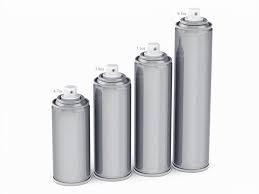
A careful packaging choice shapes how a product performs on shelf and which materials return for recycling. A Two-Piece Aerosol Can can influence the environmental footprint of a spray product from manufacturing through end of life, so brand owners and procurement teams should weigh its attributes alongside market signals about resource use and waste management. This article examines the environmental benefits of that can format, how design and supply chain choices amplify impact, and what sellers can communicate to shoppers without overstating claims.
Material efficiency starts in manufacture. The drawn body of a two piece design removes the need for a welded seam and that streamlined construction often reduces metal scrap during forming and trimming. Less scrap at the plant means fewer raw input cycles and a smaller processing burden before the product even leaves the factory. For buyers who must justify supplier choices to sustainability committees, packaging that yields lower manufacturing loss can be a defensible part of the sourcing case.
Weight and transport matter for carbon exposure. A can design that uses less material for equivalent strength lowers transport mass per item which influences fuel use across distribution lanes. When supply chain teams aggregate those efficiencies across many units the effect compounds. Buyers who seek to reduce transport intensity often ask suppliers for pack density examples and pallet builds so they can model shipments and choose assortments that reflect transport emissions as part of product total cost.
Recyclability is a prominent benefit that brands can highlight in plain terms. A two piece body presents a uniform metal surface that recycling processes can handle without dealing with welded joins that complicate shredding or melting. Clear material declarations and guidance to consumers about emptying and local recovery routes help capture that recycling benefit. Retailers who present straightforward end of life instructions on shelf reduce consumer confusion and make it more likely that metal returns to material streams.
Design that supports reuse of secondary materials also counts. Labels and overwraps that peel cleanly and gasket materials that separate easily from metal simplify material recovery. When packaging designers prioritize separability they reduce the need for complex sorting steps at recovery facilities. Procurement teams can ask prospective suppliers about label adhesion and material separation testing so they select options that align with local recycling realities.
Manufacturing practices extend the environmental picture. Factories that use efficient stamping and forming lines, that optimize press cycles and that reclaim forming oils create less waste and lower energy per part produced. A supplier that shares evidence of process optimization helps buyers connect packaging selection to a fuller life cycle story rather than a narrow product claim. Those operational details create credible narratives for sustainability disclosures and avoid vague statements that are difficult to verify.
Durability in transit reduces waste downstream. A can that resists denting and valve damage reduces the incidence of returns and destroyed inventory. That means fewer units diverted to waste streams and less energy and labor spent on replacements. Packaging choices such as inner carriers and carton reinforcement protect vulnerable valve regions and help ensure that products arrive at stores ready to sell. When suppliers publish typical packing formats buyers can build receiving checks that focus on genuine faults rather than avoidable transit damage.
Consumer behavior influences the final outcome. Clear marking about metal content and a simple note on emptying help shoppers make better disposal choices. Retailers who place return or collection points for empty pressurised packaging can raise recovery rates substantially because convenience affects behavior. When brands and retailers plan collection schemes collaboratively, they reduce litter and increase the fraction of material that reenters production cycles.
Regulatory and market trends create incentives to choose recyclable formats. As packaging rules tighten in many regions and as buyers look for tangible evidence of stewardship, a can format that aligns with existing recovery infrastructure reduces compliance friction. Procurement teams should verify that supplier material statements match local acceptance criteria and that packaging does not rely on hard to recycle laminates. That alignment prevents frustrated end users and rejects at recycling facilities.
Innovation in valve and closure design also plays a role. Valves that are easy to separate from metal bodies at end of life support recycling while still meeting safety expectations during use. Suppliers working on valve designs that balance secure sealing with disassembly at collection reduce trade offs between safe containment and downstream recoverability. Buyers can request compatibility notes about valve separation to evaluate end of life flows in their retail regions.
Finally, measurement grounds claims in reality. Asking suppliers for simple metrics such as typical scrap rates at forming, pack density demonstrations and sample recovery notes for returned empty cans lets buyers compare options on a common basis. Those modest data points help teams craft credible product messaging and operational plans that reflect how the packaging will actually behave across manufacturing, transport and recovery networks.
A Two Piece Aerosol Can offers a set of environmental benefits when design, materials and packing choices are coordinated with supply chain practices and consumer guidance. For brands that want to make honest claims about resource use, pairing a recyclable can body with clear end of life guidance and supplier process notes creates a defensible approach that supports retail readiness and responsible disposal. For product and sourcing details see the manufacturer product pages at https://www.bluefirecans.com/product/ .

 Arabic
 French
 Spanish
 Portuguese
 Deutsch
 Turkish
 Dutch
Dutch
 Italiano
 Russian
 Romaian
 Portuguese (Brazil)
 Greek
Greek