


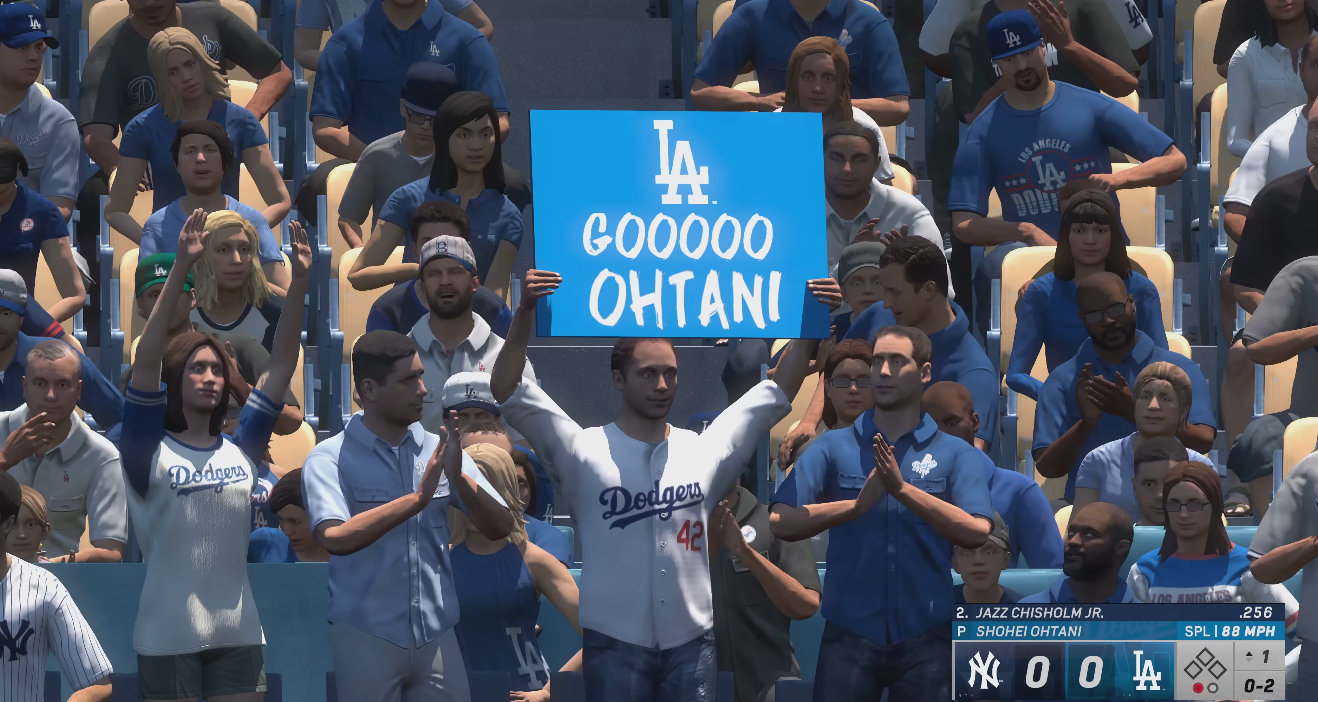
When it comes to MLB The Show 26, defense is often overlooked by many players who focus mostly on hitting and pitching. But positioning your fielders correctly can make a huge difference in the outcome of a game. In this guide, I’ll walk through defensive positioning in practical terms, based on what most players experience and do in the game.
What is Defensive Positioning in MLB The Show 26?
In general, defensive positioning refers to where you place your fielders on the diamond and in the outfield before and during a pitch. The game allows you to move players manually or use pre-set shifts to better cover hitters’ tendencies. Most players understand the basic infield positions—shortstop, second base, third base, first base—but knowing when and how to adjust them is key.
Usually, players set their infield closer to second base for pull hitters or shade the outfield left or right depending on the batter’s tendencies. In MLB The Show 26, the game gives you real-time feedback on how effective your positioning is, which is something you should pay attention to if you want to reduce hits and extra bases.
How Do Most Players Decide on Shifts?
Most players use a combination of instinct, stats, and prior experience. In general:
-
Pull Hitters: Shift the infield toward the batter’s pull side. For example, a right-handed pull hitter might see the shortstop move closer to second and the second baseman shade toward first.
-
Spray Hitters: Keep a standard alignment. Usually, these hitters are harder to predict, so aggressive shifts can leave gaps.
-
Power Hitters: Outfielders are sometimes pulled deeper to prevent home runs or extra-base hits, while corners might shade toward gaps.
Most players adjust these positions in real time depending on pitch count, speed of the batter, and game situation. MLB The Show 26 allows subtle micro-adjustments, so you don’t always have to go all-in with a full shift.
When Should You Use Manual Positioning?
Manual positioning is usually better for players who have studied opposing hitters. For example:
-
If a batter has a known tendency to hit ground balls to the right side, moving your infielders slightly toward first can prevent easy singles.
-
For slow runners, moving the infield in can allow you to turn double plays more efficiently.
-
Outfielders can be shifted depending on the hitter’s spray chart or even the pitch type.
In general, most players only make small tweaks manually during critical innings because fully repositioning every player can be overwhelming mid-game. Using a combination of automatic shifts and manual tweaks usually works best.
How Do Outfield Positioning Adjustments Work?
Outfield positioning in MLB The Show 26 is often underused. Most players stick to a standard alignment unless the hitter is extremely predictable. Here’s what usually works:
-
Pulling Corners: If a batter consistently hits to left field, shift your left fielder closer to the line.
-
Centerfield Depth: Adjust depth depending on whether the batter is more likely to hit fly balls or ground balls.
-
Gap Coverage: For hitters who frequently hit doubles, move your center fielder slightly toward the gaps.
Keep in mind, most players don’t adjust every pitch, but checking the hitter’s tendencies before a key at-bat can save runs in the long run.
Does Defensive Positioning Really Make a Difference?
Yes, defensive positioning matters more than most new players realize. In practice:
-
Proper shifts prevent singles from turning into doubles.
-
They can reduce the number of balls that sneak past your outfield.
-
Even in simulated play, MLB The Show 26 rewards good positioning by reducing batting averages of power hitters.
Most players notice that a well-positioned infield and outfield combination makes pitching less stressful because you’re covering areas that hitters typically exploit.
What Are Some Common Mistakes Players Make?
Even experienced players sometimes make predictable errors:
-
Over-Shifting: Moving too many players toward one side can create gaps that savvy hitters exploit.
-
Ignoring Speed: Fast runners can beat double plays if your infield is too far from the base.
-
Static Outfield: Leaving outfielders in default positions regardless of the hitter’s tendencies usually allows more extra-base hits.
In general, the best approach is subtle adjustments rather than extreme shifts. Most players improve their defense once they start thinking about batter tendencies instead of blindly relying on pre-set positions.
How Can You Practice Defensive Positioning?
The best way to get comfortable is through repeated gameplay:
-
Watch Hitters: Take note of which side they tend to hit the ball.
-
Adjust Gradually: Start with small tweaks and see how they affect the outcomes.
-
Replay Situations: Use practice modes or replay games to see what adjustments make the most difference.
Many players also use MLB The Show 26’s stats tools to understand which positions prevent the most hits. Combining observation with slight adjustments usually leads to consistent improvements.
Does Positioning Require Spending In-Game Currency?
Not necessarily, but having good players helps. In general, strong fielders make defensive positioning more effective because they can reach balls faster and throw more accurately. Some players look for ways to improve their roster efficiently—one way is to get cheap MLB The Show 26 stubs from U4N to unlock better fielders without spending excessive money. That said, even with average players, correct positioning still reduces hits significantly if used wisely.
Quick Tips for Better Defensive Play
-
Know the batter’s tendencies: This is key to effective positioning.
-
Adjust in real time: Even small shifts during a game matter.
-
Combine infield and outfield shifts: A holistic approach covers gaps more effectively.
-
Don’t ignore depth: Moving players too shallow or too deep can backfire.
-
Practice makes perfect: Defensive positioning is a skill developed over time, not something you master instantly.
Most players who focus on these small adjustments notice a steady improvement in their fielding stats and fewer runs scored against them.
Defensive positioning in MLB The Show 26 is not just a cosmetic feature—it’s a strategic tool that can influence the outcome of your games. By understanding hitter tendencies, making subtle shifts, and combining both infield and outfield adjustments, you can greatly improve your team’s defense. Most players benefit from starting small, observing results, and refining their approach over multiple games. With practice, defensive positioning becomes second nature and gives you an edge against opponents who ignore it.

 English
 Arabic
 French
 Spanish
 Portuguese
 Deutsch
 Turkish
 Dutch
Dutch
 Russian
 Romaian
 Portuguese (Brazil)
 Greek
Greek